
A Homeowner’s Guide to Boiler Repair in Cochrane
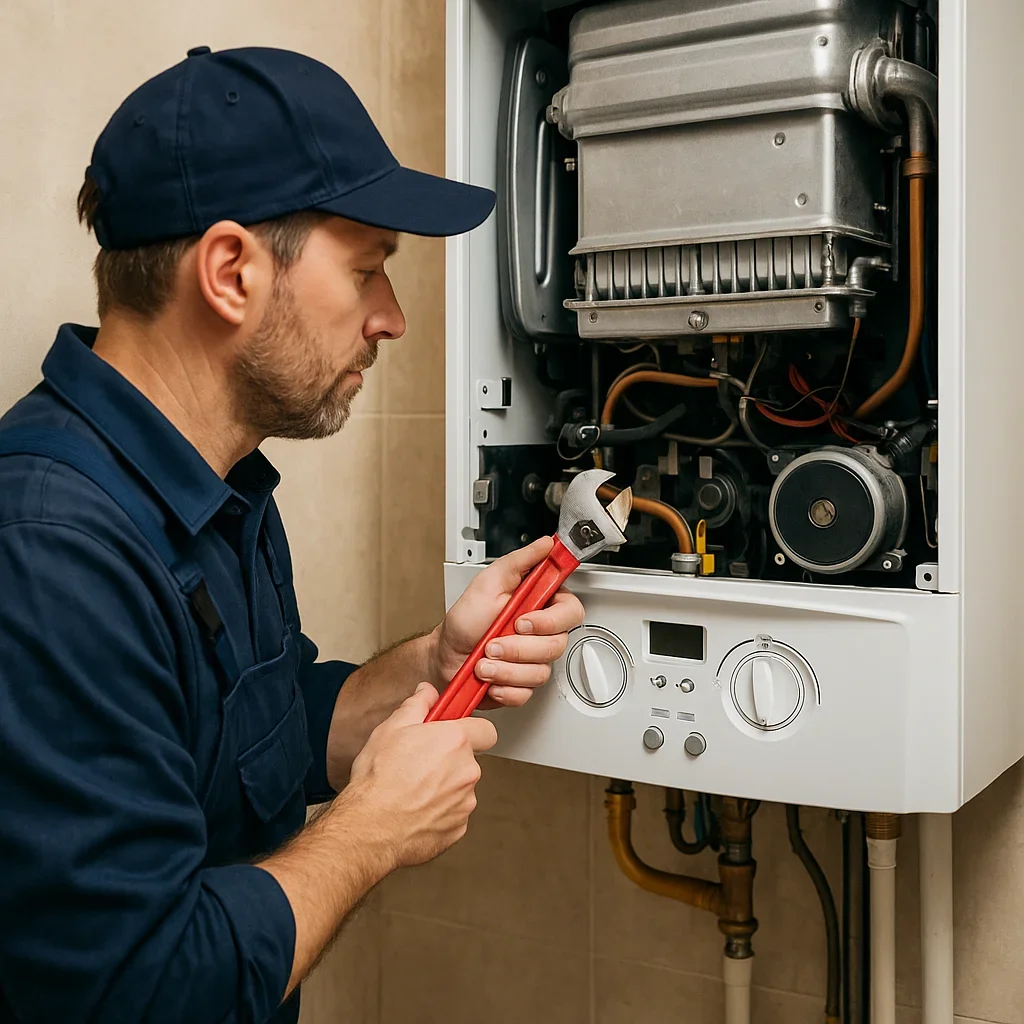
A Homeowner’s Guide to Boiler Repair in Cochrane
Need reliable boiler repair Cochrane? Problem Solved Plumbing & Heating Ltd offers fast, professional boiler servicing and repairs. Keep your home warm and efficient. Call us today!
Introduction
A warm, comfortable home is essential during Cochrane’s long, cold months, and the boiler plays a critical role in maintaining that comfort. This guide is designed to help homeowners understand the ins and outs of boiler repair, from identifying warning signs to understanding why professional service is necessary. We will cover troubleshooting techniques, preventive maintenance tips, diagnostic procedures, and safety precautions so that you can make informed decisions about your heating system. Whether you are troubleshooting an issue or scheduling routine maintenance, this resource aims to provide clear, actionable advice to keep your boiler running efficiently.
Recognizing When Your Boiler Needs Servicing
A boiler is a complex piece of equipment that works hard to keep your home heated and provide hot water. Recognizing early warning signs can prevent small issues from escalating into major problems. Some common indicators that your boiler needs attention include:
Unusual Noises: Banging, whistling, or gurgling sounds can indicate air trapped in the system, low water pressure, or buildup of limescale. These sound anomalies often hint at underlying issues such as improper combustion or blockages in the heating circuit.
Uneven Heating: If certain areas of your home are not warming up as expected or if there’s an inconsistent delivery of hot water, it might be due to sludge buildup, faulty valves, or issues with the circulation pump.
Leaks and Corrosion: Water leaks around the boiler or visible corrosion on pipes and fittings point to possible internal damage. Over time, these issues can compromise the boiler’s efficiency and even lead to dangerous situations.
Higher Energy Bills: A sudden spike in heating bills without a change in usage usually indicates that your boiler is working harder than it should due to inefficiencies like sediment buildup or worn-out components.
Unusual Odors: Smells such as burning plastic, metal, or gas warrant immediate attention. A gas smell, in particular, is a serious red flag; if detected, evacuate your home immediately and contact emergency services.
By staying alert to these warning signs, you can catch issues early and schedule necessary repairs before the situation worsens.
Preliminary Troubleshooting and Record-Keeping
Before contacting a professional, there are a few preliminary steps you can take to better understand the problem. However, exercise extreme caution, as boilers operate under high pressure and temperatures.
Diagnostic Checklist for Homeowners
Visual Inspection: Check for any obvious signs such as leaks, corrosion, or damaged components. Look around the boiler unit and any piping that connects with it.
Listen for Unusual Sounds: Take note of any banging, whistling, or gurgling sounds. Write down when you hear these noises and in what circumstances (e.g., when the heater kicks on, during idle time).
Monitor Temperature: Use a thermometer to measure if the boiler is reaching the recommended operating temperature. Inconsistent or lower-than-normal readings could indicate a thermostat issue or a problem with the heating element.
Check Water Pressure: Most systems have a gauge; ensure the pressure is within the recommended range. Pressure that is too high or too low can impact performance and safety.
Document Energy Bills: Compare monthly or seasonal energy bills to spot any unexplained increases in energy use.
When Not to DIY
High Pressure Hazards: Boilers operate under high pressure and can be dangerous if mishandled. A small error can cause leaks or even explosions.
Complex Components: Modern boilers have intricate electronic controls and safety mechanisms. Without proper training and tools, DIY repairs can lead to further damage or void warranties.
Safety Risks: If you notice gas smells or signs of corrosion and leaks, attempting a DIY fix is not advisable. Leave these scenarios to a licensed professional who can safely diagnose and repair the issue.
Keeping a detailed record of the issues and your observations can help the technician diagnose the exact problem more efficiently, saving both time and money when professional help is sought.
Preventive Maintenance and System Care
Preventive maintenance is vital in extending the lifespan of your boiler and preventing costly repairs. Regular inspections and timely upkeep can make a big difference in how efficiently your system runs over the years.
Routine Maintenance Tasks
Annual Inspections: Schedule a professional annual inspection to check for wear and tear, leaks, and other potential issues. Regular check-ups ensure that any small issues are caught before they become larger problems.
Bleeding Radiators: Air trapped in your heating system can reduce efficiency. Bleed your radiators to remove trapped air, improving overall system performance.
Flushing the System: Over time, sludge and debris can accumulate in the radiators and pipes. Annual or bi-annual flushing of the system helps remove these deposits and maintains proper circulation.
Pressure Checks: Regularly check the boiler’s pressure gauge. Keeping the pressure within the recommended range is crucial for safe operation.
Cleaning Vents and Filters: Ensure that vents and filters are free of dust and debris. Obstructions can reduce efficiency and cause the boiler to work harder than necessary.
Long-Term Maintenance Tips
Keep a Maintenance Log: Record all services, repairs, and maintenance activities. This log can be invaluable when troubleshooting recurring issues or when selling your home.
Upgrade When Necessary: Sometimes, older boilers are less energy-efficient or require more frequent repairs. Consider upgrading to a modern, more efficient unit if your system is over 15-20 years old.
Educate Your Family: Make sure everyone in your household knows the basics of boiler safety and what to do in case of an emergency. This includes recognizing the smell of gas and knowing where the main shut-off valves are located.
Regular preventive maintenance not only keeps your home safe but also helps in managing energy consumption and reducing overall heating costs.
The Importance of Professional Boiler Repair
When your boiler begins to show signs of malfunction, it might be tempting to try a quick fix on your own. However, boilers are intricate systems that require expert handling. Here’s why professional repair is so essential:
Safety: Boilers operate under high pressure and involve complex combustion processes. Trained professionals understand the safety protocols necessary to handle such systems, greatly reducing the risk of accidents.
Accurate Diagnosis: Licensed technicians have specialized tools and years of training to accurately diagnose the root cause of the problem. This reduces the risk of misdiagnosis, which can lead to further damage or recurring issues.
Long-Term Savings: While hiring a professional may seem more expensive upfront, it can save you money in the long run by preventing costly breakdowns and ensuring the system runs at optimal efficiency.
Warranty Protection: Many boilers come with warranties that can be voided by unauthorized repairs. Using a certified technician helps ensure that your warranty remains valid.
Comprehensive Service: Professional services typically include a thorough check of your entire heating and plumbing system, which can help uncover related issues before they become serious. This approach can save you additional repair costs down the line.
For these reasons, boiler repair in Cochrane should always be entrusted to experts who can deliver safe, reliable, and long-lasting solutions.
What to Expect from a Professional Boiler Repair Service
Scheduling a professional repair service can be a daunting process if you’re not sure what to expect. Understanding the typical steps can help you feel more confident and prepared for the service call.
Before the Service Call
Initial Consultation: Most reputable service providers will start with a phone call or online consultation to understand the symptoms you’re experiencing. Be ready with detailed notes about your observations (noise, leaks, pressure irregularities, etc.).
Preliminary Assessment: The technician may ask you to perform some basic checks (such as monitoring the pressure gauge) under their guidance. This helps determine the urgency of your issue.
Scheduling the Visit: Once the problem is preliminarily identified, a service visit will be scheduled. Emergency services are often available if a dangerous situation is suspected, such as a gas leak.
During the Service Call
Thorough Inspection: The technician will conduct a comprehensive inspection, reviewing every component of your boiler system. This usually involves checking internal mechanisms, cleaning parts, and ensuring that all safety devices are functional.
Diagnosis: Using specialized tools, the technician will identify the root cause of the problem. They may explain the issue, potential causes, and outline the steps needed for repair.
Repair Process: Depending on the diagnosis, repairs could involve replacing worn-out parts, removing blockages, adjusting pressure levels, or descaling the system. The technician will explain what needs to be done and give an estimated time frame for the repair.
Safety Testing: After repairs are completed, the technician will perform safety tests. This ensures that the boiler is operating within safe limits and that there is no risk of leaks or other hazards.
After-Service Follow-Up
Maintenance Advice: The technician should provide recommendations on how to maintain your boiler to prevent future issues. This might include a maintenance schedule or tips for everyday care.
Service Report: You should receive a detailed report that outlines what was inspected, what repairs were made, and any recommended future actions. Keeping a copy of this report can be helpful for future reference.
Warranty and Guarantee: Most reputable services will offer a warranty on repairs. Make sure you understand the terms and keep documentation for any future claims.
Understanding this process can help you communicate more effectively with your service provider and ensure that you are comfortable with the work being performed on your home heating system.
Integrating Boiler Repair with Overall Home Maintenance
A well-functioning boiler is just one component of a comfortable, efficient home. For many homeowners, especially in colder regions like Cochrane, it makes sense to adopt a holistic approach to home maintenance that encompasses your entire heating, plumbing, and HVAC systems.
Comprehensive Maintenance Strategies
Coordinated Inspections: Schedule regular inspections for your boiler, plumbing, air conditioning, and septic systems. Coordinated check-ups can save time and ensure all systems are working in harmony.
System Upgrades: As your home ages, consider upgrades that improve efficiency. Replacing an old boiler, upgrading insulation, or installing smart thermostats can lead to significant energy savings.
Preventive Funding: Budget for seasonal maintenance to avoid the higher costs associated with emergency repairs. An annual or bi-annual maintenance plan can help you manage unexpected expenses.
Documentation: Keep a file with all service records, maintenance logs, and repair invoices. This organized approach will help when scheduling any future repairs and adds value if you decide to sell your home.
The Role of Professional Service Providers
Companies like Problem Solved Plumbing & Heating Ltd offer a full range of services beyond just boiler repair. Their expertise also covers:
Furnace Repair: Essential for keeping your heating system operating efficiently during the cold months.
Plumbing and Septic Services: Integrated systems that often work in conjunction with your heating system require regular upkeep to avoid issues that could impact boiler performance.
Air Conditioning and Cooling: Ensuring year-round comfort means addressing both heating and cooling needs. An integrated service approach provides consistent standards of workmanship across all systems.
By addressing your home’s complete comfort system holistically, you not only extend the life of individual components but also improve overall energy efficiency and safety.
Safety Measures and Precautions
Boilers, while essential for comfort, can pose serious safety risks if not maintained properly. Homeowners should be aware of the following safety measures to protect themselves and their families:
Recognizing Danger Signs
Gas Leaks: If you detect a gas odor near your boiler, evacuate immediately. Gas leaks can lead to explosions or fires, so do not attempt to locate or fix the leak on your own.
Burning Smells: Unusual burning smells may indicate overheating or electrical failures. Turn off the boiler if you notice these signs, but only if it is safe to do so.
Visible Damage: Cracks in the boiler casing, corrosion, or damaged gaskets are serious and require professional evaluation.
Emergency Preparedness
Know Your Shut-Off Valves: Always know where your boiler’s main shut-off valve is located. In case of an emergency, shutting off the fuel supply can prevent escalation.
Install Detectors: Gas and carbon monoxide detectors can provide early warnings to allow for timely intervention.
Emergency Contacts: Keep emergency contact numbers handy, including local emergency services and a trusted professional repair provider.
Safety During Service Calls
When a technician arrives for a repair, ensure that:
The technician is fully licensed and carries necessary safety credentials.
You receive a clear explanation of the problem, the repair steps, and any risks involved.
An overview of safety tests post-repair is provided so you can be confident in the system’s safety before resuming normal use.
Taking preventive safety measures seriously can minimize risks and protect your home during both routine maintenance and unexpected emergencies.
Long-Term Considerations and Cost Implications
While immediate repairs and maintenance improve comfort and safety, it is important to consider long-term factors that affect your boiler’s performance and cost efficiency.
Cost Considerations
Upfront vs. Long-Term Costs: While professional repairs and annual maintenance have associated costs, regular maintenance can prevent more expensive emergency repairs down the line.
Energy Savings: A well-maintained boiler runs more efficiently, which can lead to noticeable savings on your heating bills over the winter months.
Financing Options: Some service providers offer flexible membership or financing options to help manage costs. Investigate these options if upfront payment is a concern.
Estimating Repair Timelines
Understanding how long a repair might take can help you plan accordingly. Here are typical timelines:
Diagnostic Phase: This usually takes between 30 minutes to an hour, depending on the complexity of the issue.
Repair Work: Minor repairs, such as fixing leaks or replacing small components, might only take a few hours. More extensive repairs, like boiler descaling or component replacement, can take several days when parts need to be ordered.
Testing and Follow-Up: After repairs, a final round of safety and efficiency tests typically takes an additional hour. In some cases, the technician may need to return for follow-up checks.
Long-Term Maintenance Strategies
Routine Service Agreement: A service contract that covers annual check-ups and prioritizes repair calls can keep long-term maintenance costs manageable.
Regular Upgrades: Technology and efficiency improvements mean that older boilers may not be as cost-effective as new models. Weigh the cost of recurring repairs against the benefits of a modern, energy-efficient boiler.
Energy Audit: Consider an energy audit to assess how well your heating system is performing. An audit can reveal opportunities for improvements that may further reduce your overall energy consumption.
Conclusion
Boiler repair in Cochrane is not just about fixing an immediate problem; it’s about ensuring the safety, comfort, and efficiency of your home over the long term. Recognizing the signs of trouble early, performing basic troubleshooting, and adhering to a regular maintenance schedule are all key steps in preserving your system’s performance. More importantly, leaving repairs to qualified professionals ensures that any work done is safe, reliable, and in compliance with warranty requirements.
By integrating boiler repair with a comprehensive home maintenance strategy, you protect your investment and create a safer and more energy-efficient living environment. Whether it be a routine inspection or an emergency repair, understanding what to expect and why professional service matters will help you make informed decisions for your home heating needs.
Remember, your boiler is a critical component of your home’s overall comfort system—taking care of it should be a priority every season. For homeowners in Cochrane, Calgary, and Rocky View County, professional support from experienced technicians can mean the difference between a warm winter and a season of unexpected disruptions.
With the insights provided in this guide, you are better equipped to recognize issues, understand preventive maintenance, and appreciate the importance of professional intervention. Stay proactive, remain observant, and always prioritize safety when it comes to your boiler and home heating system.
By taking these steps, you can ensure that your boiler remains in optimal condition through the harshest winter weather, providing the consistent warmth and comfort that every home deserves.


