
Furnace Repair in Cochrane: Mid-Winter Reliability When You Need Heat
Introduction: Facing Mid-Winter Challenges in Cochrane
In Cochrane, winter isn’t just a season—it’s a test of reliability, warmth, and safety for every home and business. The sustained cold places extra demands on your furnace, and even a small component failure can quickly turn into an emergency situation. Understanding the challenges of mid-winter and knowing how to act quickly can mean the difference between a comfortable home and a hazardous living space.
This guide explores common warning signs of furnace troubles, walks you through what to expect during a professional service call, examines the technical reasons behind furnace failures during extreme cold, and discusses how to decide between repair and replacement. Whether you’re a homeowner or a business owner, this comprehensive article provides actionable advice to navigate furnace repair challenges effectively in the Cochrane and broader Calgary region.
Recognizing Common Furnace Warning Signs
A properly functioning furnace is your best defense against the unpredictable mid-winter weather. Here are several warning signs that indicate your system may be in trouble:
No heat or weak heat: When vents no longer deliver sufficient warmth or stop working entirely, your furnace might be struggling.
Short cycling: If your furnace turns on and off frequently, it’s a sign of possible thermostat issues or other mechanical problems.
Irregular burner flame: For gas furnaces, the flame should be a steady blue. A yellow or flickering flame can indicate incomplete combustion.
Loud banging, squealing, or rattling: Unusual noises may signal loose or worn components within the system.
Increasing energy bills: If your gas bills rise without any changes in thermostat settings, inefficiency in the system might be the culprit.
Carbon monoxide detector alerts or gas smells: Any sign of a gas leak or carbon monoxide should be taken extremely seriously—evacuate immediately and seek emergency help.
These issues can start small but tend to worsen as the demand on your system increases during cold snaps. Identifying these early warning signs allows you to address potential problems before they escalate into complete system failures or safety hazards.
What to Expect from a Professional Service Call
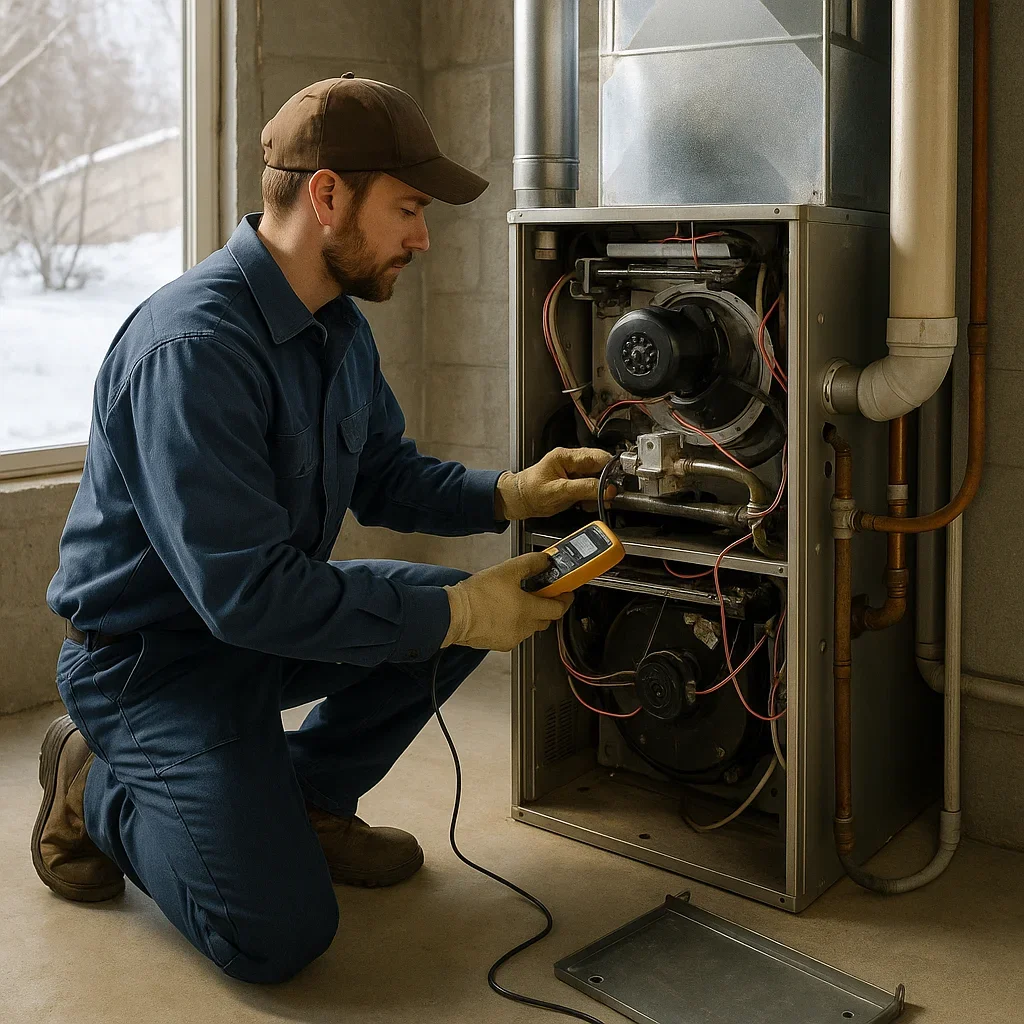
If you suspect an issue with your furnace, calling a qualified technician is essential. For residents across Cochrane and the extended Calgary region, understanding the service process can reduce anxiety and help you make informed decisions. Here is a detailed breakdown of the standard steps that technicians follow during a service call:
- Initial Assessment:
The technician begins by verifying the thermostat settings to ensure they aren’t contributing to the problem.
Safety controls, including carbon monoxide detectors and gas valves, are checked to rule out any immediate hazards.
- System Inspection:
A thorough inspection of filters, blowers, ignition systems, and heat exchangers is undertaken.
The technician will look for debris or dust buildup that may reduce airflow and overall efficiency.
- Component Testing:
Gas pressure, venting, and electrical connections are evaluated to ensure they meet current safety codes and manufacturer specifications.
Tools such as combustion analyzers and multimeters are used to get precise readings of system performance.
- Detailed Explanation:
Once diagnostic tests are complete, the technician explains the issue, the necessary repairs, and provides a written estimate.
This step is crucial for transparency and helps you understand not only the problem but also the recommended solution.
- Repairs and Final Testing:
If you approve the repair, the technician will proceed with the necessary work.
After completing the repairs, they will test the complete heating cycle to ensure that the system operates as intended before leaving your property.
Throughout this process, licensed professionals adhere to strict safety standards, ensuring your home and family are kept safe during repair work. They also offer tips for avoiding similar issues in future winters.
Technical Insights: Why Furnaces Can Fail in Mid-Winter
Understanding why furnaces break down in the middle of winter is key to preventing repeat issues. Here are some common technical reasons that can lead to furnace failure during extreme cold:
Excessive Cycling and Overwork: Due to the extreme temperature difference between the indoor setpoint and the outdoor condition, furnaces are forced to run continuously. This repeated cycling can stress components such as the blower motor and heat exchanger.
Filter Clogging and Poor Airflow: Cold weather often brings increased dust and indoor pollution, which can clog filters. Restricted airflow forces the furnace to work harder, potentially causing overheating or premature component wear.
Combustion Issues: For gas furnaces, achieving and maintaining the correct flame pattern is critical. Variations in gas pressure or a poorly calibrated ignition system can lead to incomplete combustion, which not only reduces efficiency but also produces dangerous byproducts.
Thermostat and Sensor Malfunctions: Modern furnaces rely on precise input from sensors. In freezing temperatures, faulty sensors may send incorrect readings, leading to frequent on/off cycles that indirectly wear out mechanical parts.
Wear of Mechanical Components: Over time, parts such as belts, motors, and igniters degrade. In mid-winter, a long-running furnace puts additional strain on these aging components, increasing the likelihood of failure.
Addressing these issues promptly not only restores comfort but also prevents further damage that could result in higher repair costs or safety hazards.
Preventive Maintenance: Tips for Extending Furnace Life
Regular preventive maintenance is the best way to mitigate the risk of sudden furnace failure during harsh winter conditions. Here are some practical, actionable steps you can take to keep your furnace running smoothly all season long:
Schedule Annual Tune-Ups: Have your furnace professionally inspected and serviced at least once a year, preferably before the onset of winter. This service typically includes cleaning internal components, checking gas pressures, and recalibrating sensors.
Change or Clean Filters Regularly: Dirty filters restrict airflow and force the furnace to work harder. Check your filters monthly during heavy use, and replace them as directed by the manufacturer.
Inspect and Clean Vents: Make sure that air vents and return ducts are free of dust and obstructions. Proper airflow is crucial for efficient furnace operation and overall indoor air quality.
Monitor Carbon Monoxide Detectors: Test these detectors monthly. Replace batteries as needed, and never ignore an alarm—they are a vital safety feature for detecting hazardous gas levels.
Keep the Area Clear: Ensure that the area around your furnace is kept clean and unobstructed. This allows for proper heat distribution and easy access for maintenance.
By taking these preventive steps, you reduce the risk of mid-winter breakdowns and extend the lifespan of your furnace, ultimately saving money on costly emergency repairs.
Repair versus Replacement: Weighing Your Options
At one point, every homeowner must decide whether to repair an existing furnace or invest in a replacement. Below are key considerations to help with this decision:
Age and Efficiency of the Furnace:
Furnaces generally have a lifespan of 15–20 years. Units that are less than 10 years old are often prime candidates for repair, as they likely integrate modern safety and efficiency features.
Older systems may experience repeated issues that make ongoing repairs financially and practically unsustainable.
Frequency of Repairs:
If your furnace has needed frequent repairs over a short period of time, it could indicate systemic wear that may continue to escalate.
A single repair for an otherwise well-functioning system often justifies the cost of the service call.
Cost Implications:
Repairing a specific component is generally less expensive than the wholesale cost of a new furnace installation. However, if one repair leads to another, a replacement might prove more cost-effective in the long term.
Energy Efficiency:
Modern furnaces offer higher energy efficiency and may reduce heating costs in the long term. This is especially relevant as energy prices fluctuate seasonally.
Safety and Reliability:
When repeated failures occur, safety can be compromised. An upgraded system could provide peace of mind by ensuring adherence to the latest safety codes and technological standards.
Making an informed decision requires weighing your immediate needs against long-term reliability and efficiency. Consulting with a trusted, Alberta-certified technician can provide you with a tailored recommendation based on the unique characteristics of your heating system.
Local Weather and Regional Considerations in Cochrane
Cochrane’s winters are known for their severe cold, with temperatures that can challenge even the best-designed heating systems. Here are a few factors unique to our region that might affect your furnace's performance:
Temperature Extremes:
Deep freezes require your furnace to operate continuously to maintain comfortable indoor temperatures. This prolonged operation can strain older or poorly maintained systems.
Extra caution should be taken if weather forecasts predict sudden drops in temperature.
Humidity and Snow:
Colder temperatures result in drier air indoors, which can affect the combustion process in gas furnaces. Conversely, melting snow and ice around your home might lead to damp conditions in basements and utility areas, increasing the risk of rust and corrosion in furnace components.
Wind Chill Effects:
High winds can exacerbate heat loss even in well-insulated buildings, forcing your furnace to run at higher capacities over extended periods.
Local Energy Demands:
With the high demand for heating during winter peaks, local service providers become especially busy. Scheduling preventive maintenance during early fall can help avoid potential delays when the service demand increases.
Understanding these regional challenges helps you better prepare for the winter season. Regular check-ups and timely repairs become even more important when your heating system is expected to run non-stop amid extreme cold weather conditions.
Understanding Costs and Financial Considerations
While the focus is always on safety and comfort, understanding cost factors is essential when facing furnace repair decisions. Here are a few points to consider:
Transparent Estimates:
A professional service call will begin with an assessment and a written estimate. Look for clarity in the explanation of repair costs and labor charges.
Long-Term Savings:
Investing in proper maintenance can reduce unexpected repair costs and improve energy efficiency, resulting in lower heating costs over time.
Budgeting for Emergencies:
Consider setting aside a small home maintenance fund for unexpected repairs. Sudden furnace failures during mid-winter can be financially disruptive if you’re unprepared.
Comparison of Repair and Replacement:
Although a repair might seem less expensive initially, frequent repairs or major component replacements can add up. In such cases, a new, energy-efficient furnace might offer better long-term savings.
Having a clear understanding of the cost dynamics helps you assess your options realistically and choose the most cost-effective solution for your situation.
Real-World Case Study: A Cochrane Homeowner’s Experience
Consider the experience of a Cochrane homeowner who encountered unexpected furnace issues during a prolonged cold spell. The family began to notice that the heat from their furnace wasn’t maintaining the steady indoor temperature they were accustomed to. Initially, they dismissed the problem as a minor glitch. However, as the temperature dropped further, their furnace started to short cycle, and unusual noises accompanied the startup process.
Steps Taken:
- Early Warning Signs and Self-Observation:
- The homeowner observed a flickering burner flame and a slight gas odor. A routine check confirmed that the carbon monoxide detectors were alerting—prompting them to evacuate temporarily as a safety precaution.
- Professional Assessment:
- A certified technician was called to assess the situation. The technician performed a full diagnostic, starting with the thermostat settings and moving through the blower, filters, and ignition systems, ultimately identifying a buildup of debris around the burner and a worn-out sensor that was leading to premature cycling.
- Execution of Repairs and Preventive Suggestions:
- The repair work included cleaning the burner assembly, replacing the sensor, and conducting an overall check of gas pressures and venting systems. The technician also recommended a detailed annual maintenance plan to avoid similar issues in the future.
- Outcome:
- Post-repair, the furnace operated efficiently throughout the rest of the winter, and the household experienced improved energy efficiency and enhanced safety.
This case exemplifies how recognizing early warning signs and acting swiftly with professional help can not only restore comfort but also prevent potentially hazardous situations. It underscores why regular maintenance and vigilance are key to a reliable heating system in Cochrane’s harsh winter conditions.
Frequently Asked Questions About Furnace Repair
Here are some common questions that homeowners and business owners ask about furnace repair during the mid-winter season:
- How can I tell if my furnace needs repair or just routine maintenance?
- If you notice unusual noises, short cycling, or irregular flame colors in addition to inefficient heating, it’s a sign that the problem is more than just routine upkeep. Regular maintenance is important, but persistent issues should be addressed by a professional.
- What should I do if my carbon monoxide detector goes off?
- Safety comes first. Evacuate immediately, do not re-enter the premises until emergency services have assessed the situation, and then contact a certified heating technician once it’s safe.
- Is it better to repair an older unit or replace it?
- Many factors play into this decision. Generally, if your furnace is under 10 years old and the repair cost is reasonable, a repair may be the best option. However, if repeated repairs are needed or if the unit is approaching 15–20 years, replacement might offer better efficiency and long-term cost savings.
- What does an inspection typically include?
- A comprehensive inspection will check the thermostat, filters, blowers, ignition systems, gas pressure, venting, and electrical connections. Additional tests may be conducted based on the symptoms presented.
- How often should I schedule a preventive maintenance check?
- It’s advisable to have your furnace serviced once a year, ideally before the onset of winter. Regular maintenance not only extends the lifespan of your unit but also helps catch potential issues before they become emergencies.
These frequently asked questions highlight the importance of understanding both the technical and practical aspects of furnace repair, helping you to make informed choices during the winter season.
Conclusion: Staying Warm and Safe During Cochrane Winters
A reliable heating system is vital in Cochrane, where mid-winter brings both cold temperatures and increased pressure on your furnace. Recognizing early warning signs, understanding the technical aspects of furnace operation, and keeping up with regular maintenance are key steps to ensuring your home or business remains warm and safe when you need it most.
Whether you opt for a timely repair or decide that a replacement is in order, being proactive can prevent emergency situations and extend the overall life of your heating system. With the help of Alberta-certified professionals who understand the unique regional challenges, you can navigate even the harshest winter weather with confidence.
For those who value clarity, safety, and long-term reliability, following these guidelines will help maintain peace of mind during the coldest months. Staying informed and prepared is your best defense against mid-winter furnace failures.
Remember, a well-maintained furnace is not only about comfort but also about the safety of your loved ones. If you’re experiencing any of the warning signs discussed or simply wish to have your system checked ahead of the winter rush, consider scheduling a professional assessment.
Stay warm, stay safe, and prepare wisely for the challenges that winter in Cochrane can bring.


