
The Ultimate Winterization Guide for Your A/C Unit: DIY Tips and Professional Essentials
Introduction
Winter can be harsh on air conditioning units, but proper winterization can help extend the lifespan of your A/C system while ensuring it’s ready to deliver comfort year-round. Whether you’re a homeowner or a business owner, there are both simple DIY steps and crucial professional services that can help protect your investment before the freezing temperatures set in. Follow this comprehensive guide to understand what you can do yourself, when to call in certified professionals like those at Problem Solved Plumbing & Heating, and the common mistakes to avoid during the process.
DIY Winterization Checklist for Your A/C Unit
Before the winter freeze, consider taking the following steps on your own to safeguard your A/C system:
- Clean or Replace Filters
- Check your air filters and if they are dirty, clean or replace them. This not only improves air quality but also prevents strain on the system.
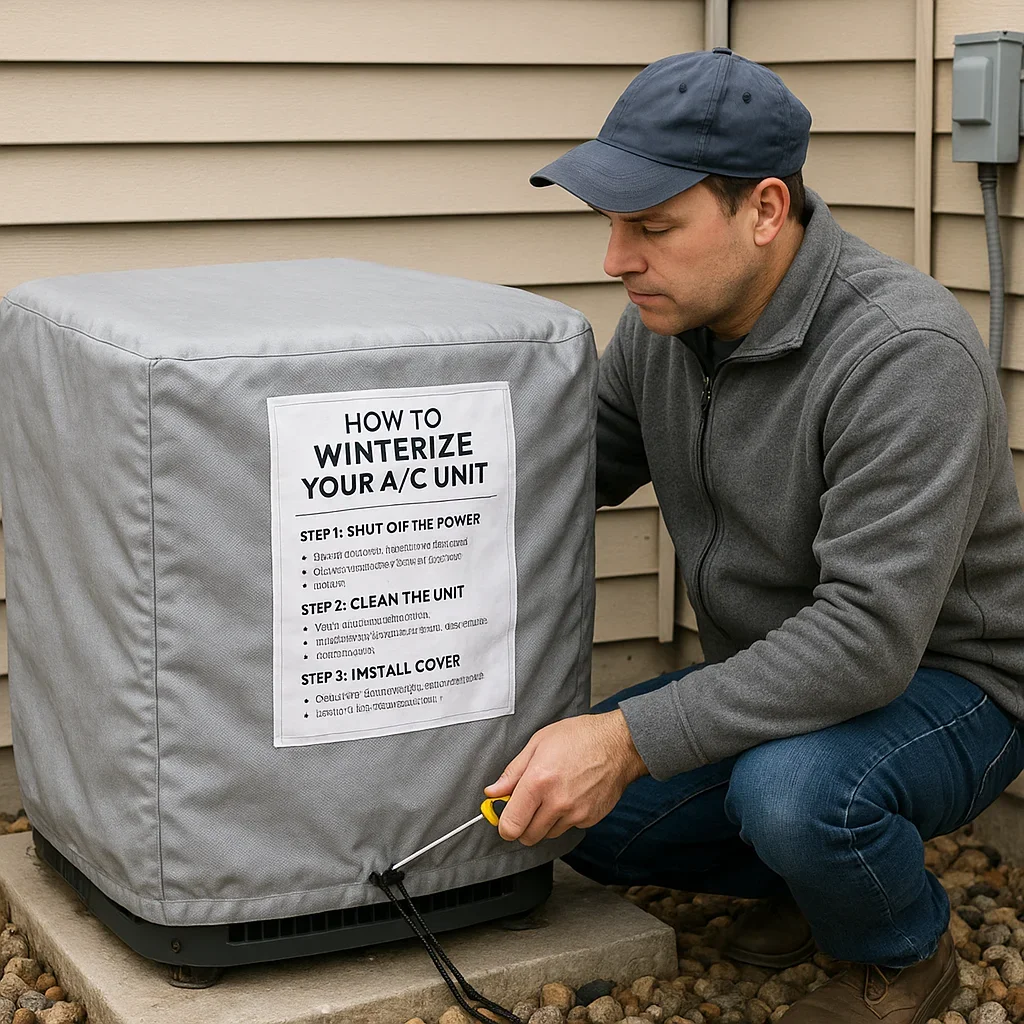
- Cover the Unit
- For systems that are not used during the winter, consider covering the unit with a weather-resistant cover. Make sure that the cover is breathable to avoid moisture build-up. Note: Never cover a running unit.
- Clear Debris and Vegetation
- Clear away leaves, twigs, or any debris that may have accumulated around the outdoor unit. This can help prevent clogging and potential damage when ice or snow accumulates.
- Inspect Exterior Components
- Look for any visible cracks or damage to the exterior cabinet and disconnect panels. Addressing minor issues early can prevent larger problems in colder weather.
- Ensure Proper Drainage
- Confirm that the drainage system is not blocked to avoid water accumulation, which can freeze and cause further damage.
- Store Remote Thermostats
- If you use a remote control device or wireless thermostat that is not winter-hardy, store it in a safe, warm place when not in use.
When to Call in the Professionals
While DIY maintenance is effective, certain tasks should be performed by certified technicians to ensure your system remains in top condition for the winter season:
- Comprehensive System Inspection
- Have a licensed technician inspect the entire unit, including wiring, refrigerant levels, and overall performance. They can identify any underlying issues that might not be immediately visible.
- Refrigerant and Seal Checks
- Professionals can check for refrigerant leaks and repair sealing issues to ensure efficiency, saving you costly repairs in the future.
- Electronics and Control Systems
- Technology inside A/C units is sensitive. A professional check can determine if your thermostat and control systems are fully operational, avoiding failures when the system is needed most.
- Lubrication of Moving Parts
- Ensuring that motors and fans are properly lubricated is critical for smooth operation. A trusted technician will perform this maintenance to reduce wear and tear during prolonged periods of disuse.
- Safety and Efficiency Upgrades
- Consider asking about any available upgrades that can enhance energy efficiency and safety. This might include minor modifications or the installation of winter-specific components.
- Post-Winter Re-activation Check
- When the warmer months return, schedule a re-activation check to ensure that your unit is running efficiently and safely. This preventative step can catch any winter-time issues early on.
Common Pitfalls to Avoid When DIY Winterizing
Even the most diligent homeowners or business owners can fall into common traps when trying to winterize their A/C units. Keep these pitfalls in mind to avoid unnecessary damage or costs:
- Overlooking Detailed Inspection
- Rushing through the inspection process often leads to missed signs of wear or damage. Spending extra time now can save you from expensive repairs later.
- Improper Covering Techniques
- Sealing off your unit too tightly can lead to moisture build-up. Ensure covers allow for air circulation to prevent rust and corrosion.
- Ignoring Manufacturer Guidelines
- Always refer to the manufacturer’s manual for any specific winterization instructions. Custom recommendations may differ from generic advice.
- Delaying Professional Help
- If you notice any unusual noises or signs of damage during your DIY inspection, don’t hesitate to call in certified professionals. Early intervention can prevent small issues from becoming major problems.
- Misusing Cleaning Agents
- Using harsh chemicals or incorrect cleaning materials can damage sensitive components of the A/C unit. Instead, follow the manufacturer’s guidelines for safe cleaning practices.
- Neglecting Drainage Checks
- Ignoring drainage issues might result in water backup and potential freezing. Ensuring free-flowing drainage should be a priority in your winterization routine.
Final Thoughts and Next Steps
Winterizing your A/C unit is a vital step in maintaining the longevity and efficiency of your system. The combination of DIY maintenance and professional inspections ensures that your unit remains protected against the cold. By following this checklist, you’ll be well-equipped for the winter season and help avoid costly emergency repairs.
For homeowners and businesses in Cochrane, Calgary, and Rocky View County, leveraging certified services from professionals like those at Problem Solved Plumbing & Heating can make all the difference. Trust in expertise and thorough maintenance to keep your indoor climate comfortable throughout the winter and beyond.
Stay proactive with your HVAC maintenance, and don’t hesitate to reach out for professional help when needed. Gathering knowledge and taking early preventive measures is the key to a worry-free winter.
Quick Reference Winterization Checklist:
Clean or replace filters
Cover the unit properly
Clear debris and surrounding vegetation
Inspect external components for damage
Check and clear drainage systems
Store remote controls safely
Schedule a professional inspection for refrigerant, seals, electronics, and lubrication
Resume professional checks for re-activation during warmer months
Following this guide will help you safeguard your investment, ensuring that your air conditioning unit performs reliably, even after the winter chill.


