
What to Expect from Furnace Repair Services in Cochrane
What to Expect from Furnace Repair Services in Cochrane
Problem Solved Plumbing & Heating Ltd provides professional furnace repair Cochrane services. Call today to restore comfort and ensure reliable heating.
The Importance of a Well-Maintained Furnace
A properly functioning furnace is essential for maintaining a comfortable and safe indoor environment, especially during the colder months in Cochrane. When your heating system exhibits issues or fails entirely, a timely repair is critical to avoid further damage and ensure your family's safety. Understanding what happens during a furnace repair service helps homeowners and business owners know what to expect and how to maintain their heating system not just when problems occur, but also as part of ongoing preventive care.
In this article, we explore the detailed process of furnace repair services provided by Problem Solved Plumbing & Heating Ltd, from the initial assessment to post-repair testing. We also provide insights into common issues, technician qualifications, safety standards, and preventive maintenance tips to help you make informed decisions.
Initial Inspection and Assessment
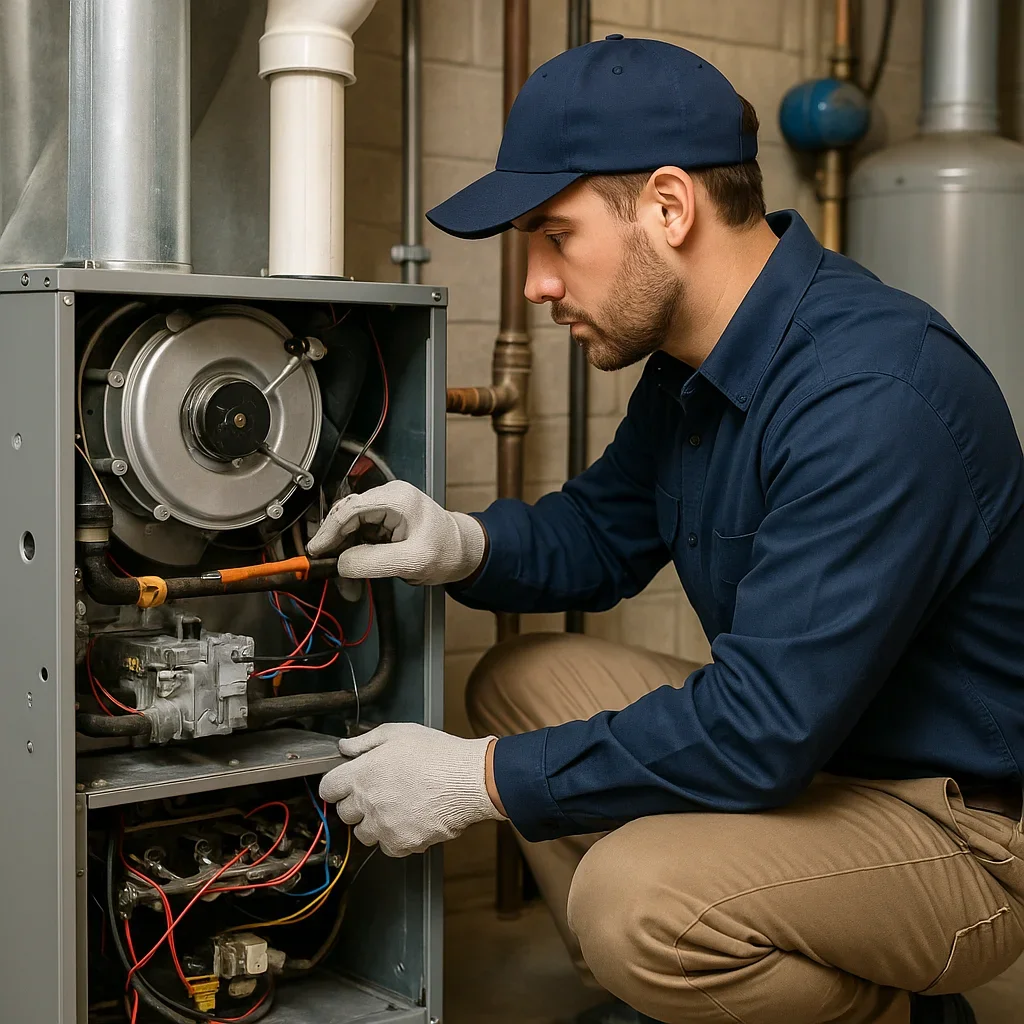
A thorough inspection is the foundation of any successful repair process. When a technician arrives, they begin with an initial assessment to accurately diagnose the problem.
Key Elements of the Initial Inspection
Visual Examination: The technician will visually inspect the furnace for any obvious signs of damage, wear, or corrosion. This includes a detailed look at components such as the housing, burners, and heat exchanger.
Component Checks: Critical parts including the thermostat, ignition system, burners, blower motor, and safety controls are carefully examined. Any signs of malfunction or wear are noted as potential causes of inefficiency or risk.
Testing Electrical and Safety Systems: Electrical connections, wiring, and safety features like carbon monoxide detectors are tested to ensure they’re functioning properly. This is essential for identifying possible hazards before proceeding with any repair work.
Review of Operating History: In some cases, technicians will review the operation history of the furnace, including any previous repair work. This helps in understanding recurring issues and planning maintenance strategies.
Technician Qualifications and Training
The quality of the assessment largely comes from the experience and training of the technician. At Problem Solved Plumbing & Heating Ltd, all technicians are fully certified and regularly trained to stay current with industry standards and evolving technology. Their qualifications ensure that:
Accurate Diagnoses: With proper training, technicians can quickly pinpoint both common and complex furnace issues.
Efficient Problem Solving: Certified training helps in accurately deciding whether a simple repair will suffice or if further action is required.
Adherence to Safety Protocols: The technician’s certifications include rigorous safety training which is reflected in every aspect of their work.
Comprehensive Diagnostic Process
Once the initial inspection is complete, the diagnostic process begins in earnest. This process involves several steps that help determine the root cause of furnace malfunction:
Detailed Diagnostic Steps
Thermostat Functionality Test: The technician will verify that the thermostat is accurately communicating with the furnace and that its settings match the required temperature output.
Ignition System Evaluation: Many furnaces use pilot lights or electronic igniters. The technician will test these components to ensure they’re igniting properly without delay or misfiring.
Airflow Analysis: Proper airflow is crucial for efficient furnace operation. The technician inspects ductwork, filters, and blowers to ensure there are no blockages.
Diagnostic Equipment Use: Modern furnaces are equipped with sensors and computerized controls. Advanced diagnostic tools are used to intercept any error codes that help pinpoint issues.
Inspection of Safety Systems: Special attention is given to safety mechanisms, including gas pressure and carbon monoxide sensors. These elements are non-negotiable for safe operation.
Importance of Early Diagnosis
Early and accurate diagnosis not only helps resolve the current issue but can also prevent potential breakdowns in the future. It allows for:
Preventive Maintenance: Addressing minor issues before they escalate to major repairs.
Cost Efficiency: Early detection of problems can save money by avoiding more extensive breakdowns.
Increased Safety: Identifying risks such as carbon monoxide leaks early on reduces hazards significantly.
Identifying Common Furnace Issues
Furnace systems may encounter a variety of issues. Here are some of the common problems that technicians typically address:
Ignition Problems: Faulty pilot lights, dirty sensors, or damaged igniters can lead to the furnace failing to ignite correctly, posing both functional and safety challenges.
Inconsistent Heating: Clogged filters, ductwork issues, or malfunctioning blower motors can result in uneven room temperatures, leading to discomfort in occupied spaces.
Unusual Noises: Audible clues such as grinding, rattling, or squealing may indicate loose components or worn-out parts. These noises are warnings that repair is needed before further damage occurs.
Frequent Cycling: Short heating cycles, where the furnace turns on and off frequently, may be symptomatic of thermostat issues or airflow restrictions. This not only impedes performance but also puts extra wear on the system.
Poor Air Quality: A malfunctioning furnace can also affect indoor air quality if filters are not replaced regularly, leading to the accumulation of dust and allergens.
Each issue is addressed using specific repair methods to ensure the furnace operates safely and efficiently.
Step-by-Step Furnace Repair Process and Clear Communication
Effective communication between the technician and the customer is key to a transparent repair process. Here’s what typically happens during a furnace repair appointment:
The Repair Process in Detail
Arrival and Initial Assessment: Upon arriving at your property, the technician will introduce themselves and conduct the comprehensive initial inspection described earlier.
Explanation of Findings: The technician will then explain the diagnosis in straightforward terms. This includes identifying the malfunctioning components and providing clarity on why the issue is occurring.
Discussion of Repair Options: Once the problem has been clearly defined, the technician will discuss various repair options. For instance, if a faulty igniter is the culprit, the conversation might include options between repair or complete replacement of the component.
Estimate and Authorization: A detailed estimate is provided before any repair work begins. This ensures you are aware of both the scope of the repair and the expected costs. Always feel free to ask questions or request clarification to fully understand the services being provided.
Execution of Repair Work: With approval, the technician begins the repair process. Parts are replaced if necessary, and precise repair methods are employed to address the fault effectively.
On-site Testing: After the repair, the technician runs several tests to confirm that the furnace is operating correctly. This includes checking temperature outputs, airflow, and all safety features.
Customer Briefing: Finally, the technician will review what was done and provide guidance on preventive maintenance. This ensures you are informed about how to maintain system efficiency until the next service appointment.
Importance of Clear Communication
Transparent communication during the repair process is crucial. It allows you to:
Understand what is causing the problem and how it can be fixed.
Gain insights into preventive measures to avoid future breakdowns.
Feel confident that safety protocols are being followed throughout the repair.
Safety, Compliance, and Regulatory Considerations
Furnace repair services in Cochrane are performed in adherence to strict safety and compliance guidelines. These regulations are in place to protect both you and your property.
Key Safety Considerations
Gas and Electric Safety: Technicians ensure that all gas connections and electrical wiring comply with local safety codes. Faulty connections can lead to dangerous situations such as gas leaks or short circuits.
Carbon Monoxide Prevention: Special care is taken to inspect and optimize carbon monoxide sensors and combustion processes. Even minor misalignments or wear can create hazardous conditions.
Proper Venting: Adequate ventilation is critical to the safe operation of any furnace. Technicians verify that venting systems are not blocked and that combustion gases are safely expelled from the home or business.
Building Code Compliance: Every repair is performed in line with local building codes and manufacturer guidelines. This not only ensures safety but also protects your warranty and the longevity of your furnace.
Ensuring Regulatory Compliance
To comply with regulations, technicians will:
Utilize certified components that meet industry standards.
Follow manufacturer recommendations closely during the repair process.
Conduct final checks to ensure all modifications are safe and compliant.
Adhering to these safety protocols is essential not only for preventing accidents but also for extending the life of your furnace.
Post-Repair Testing, Follow-Up, and Preventive Maintenance
After repair work is complete, post-repair testing is conducted rigorously. This stage ensures that the furnace is performing up to expected standards and elucidates any secondary issues that might need attention.
Key Elements of Post-Repair Testing
Temperature and Airflow Verification: Technicians measure the output of warm air and ensure that the room reaches the desired temperature consistently.
Thermostat Calibration: The responsiveness of the thermostat is tested to confirm that it properly regulates the temperature according to your settings.
Noise and Vibration Checks: The furnace is observed for any unusual sounds or vibrations that might indicate lingering issues. It is important that the system runs quietly and efficiently.
Safety Reassessment: Safety features, including gas connections and carbon monoxide sensors, are re-examined to ensure that all components function safely after repair.
Follow-Up and Preventive Maintenance
In addition to immediate testing, scheduled follow-up maintenance is highly recommended. This might include:
Regular Filter Changes: Replacing air filters on a seasonal basis to avoid clogs and reduce strain on the system.
Bi-annual Inspections: Professional check-ups, especially before the onset of winter, can identify potential issues early.
System Cleaning: Removing debris and cleaning components like blower motors to enhance overall efficiency.
Preventive maintenance helps extend the life of your furnace, improves energy efficiency, and reduces the likelihood of emergency repairs.
Technician Expertise and Qualifications
The expertise of the technician is a cornerstone of reliable furnace repair. Problem Solved Plumbing & Heating Ltd employs team members who are not only certified but also bring years of hands-on experience to every service call.
What to Look for in a Technician
Certification and Licensing: Confirm that your technician is certified by recognized industry bodies. This ensures they have undergone rigorous training and are up-to-date with current technology and safety standards.
Experience in Similar Systems: A technician experienced with the type of furnace installed in your home or business can often diagnose and solve issues more efficiently.
Ongoing Training: The field of home heating systems is evolving. Technicians who participate in ongoing education initiatives are better prepared to work with modern furnace models.
Transparent Communication: An expert technician will explain repairs in everyday language, ensuring you understand why a particular solution is recommended.
Preventive Maintenance Tips to Keep Your Furnace Running
Furnace repair is a critical part of home or business safety, but preventive maintenance can help avoid costly repairs. Here are some practical tips you can follow:
Schedule Seasonal Check-ups: Particularly before the winter season, a professional inspection can catch small issues before they become major problems.
Replace or Clean Filters: Dirty filters restrict airflow and force the system to work harder. Replace them at least once a season or as recommended by your furnace manufacturer.
Keep the Area Around the Furnace Clear: Ensure there are no obstacles or flammable materials near your furnace. A clutter-free environment promotes safe operation.
Listen for Unusual Noises: Paying attention to the sounds your furnace makes can provide early indications of trouble. If you notice grinding, rattling, or squealing noises, schedule an inspection.
Regularly Test Safety Features: Check the responsiveness of carbon monoxide detectors and ensure that smoke detectors function properly. Safety is a shared responsibility between you and the service provider.
Frequently Asked Questions (FAQ)
Q: How often should I have my furnace inspected?
A: It’s recommended to have your furnace professionally inspected at least once a year, preferably before the winter season. Regular inspections help catch potential issues early and maintain system efficiency.
Q: Is it safe to operate my furnace if I notice unusual noises?
A: Unusual noises, such as grinding or rattling, can be early signs of component wear or failure. While the furnace might continue to operate, these sounds warrant a professional inspection to avoid more serious, costly issues or safety hazards.
Q: What can I do to prevent frequent furnace repairs?
A: Regular maintenance is key. Here are a few preventive measures:
Schedule annual service calls
Change air filters as recommended
Ensure surrounding areas are kept free from clutter
Address minor issues immediately before they escalate
Q: How long does a typical repair appointment take?
A: The duration of a repair appointment can vary depending on the complexity of the issue, but most routine repairs can be completed within a few hours. The technician will provide an estimated time frame during the initial assessment.
Q: What should I do if my furnace stops working in the middle of a cold spell?
A: In such cases, emergency repair services are essential. Problem Solved Plumbing & Heating Ltd offers 24/7 emergency services in Cochrane and surrounding areas. Contacting the service provider promptly ensures that steps are taken immediately to restore your system.
Conclusion: Informed Decisions for Reliable Heating
Understanding what to expect during a furnace repair service can empower you as a homeowner or business owner. Through a detailed process—from the initial inspection and comprehensive diagnostics to clear communication, strict safety protocols, and post-repair assessments—Problem Solved Plumbing & Heating Ltd aims to restore comfort and maintain efficiency in your heating system.
Regular maintenance and prompt attention to any signs of malfunction not only extend the life of your furnace but also ensure the safety of your indoor environment. With qualified technicians, certified expertise, and a commitment to transparent communication, you can be confident in the service provided.
By following the preventive maintenance tips and keeping an eye out for early warning signs, you reduce the likelihood of emergencies and costly repairs. Remember, a well-maintained furnace is key to reliable heating and a comfortable home or business environment.
For detailed guidance and assistance with any furnace issues, consider scheduling a professional evaluation. Empower yourself with knowledge and maintain a plan for regular furnace upkeep—you deserve a warm, safe space year-round.


