
Septic Tank Maintenance: Essential Tips for Cochrane Homeowners
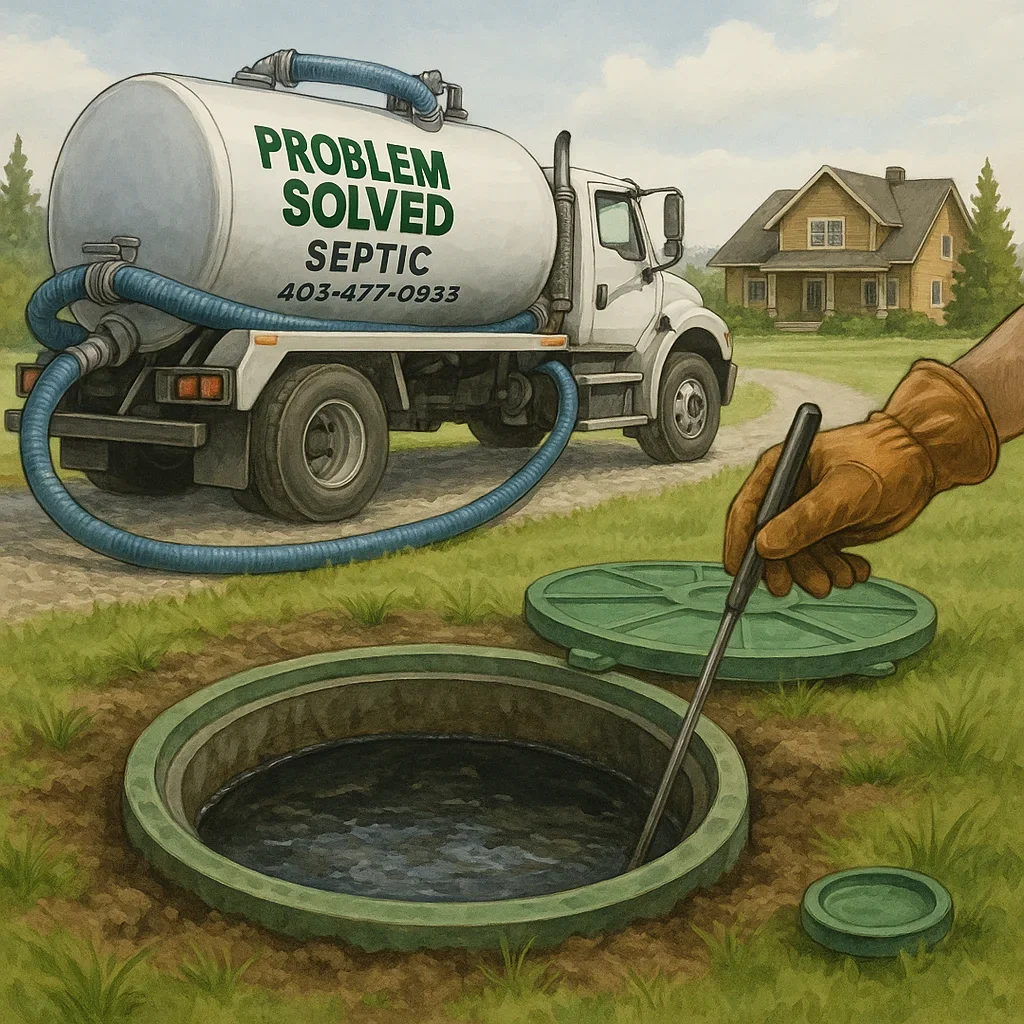
Septic Tank Maintenance: Essential Tips for Cochrane Homeowners
Septic systems are a vital part of many homes in Cochrane, ensuring safe wastewater management away from municipal sewer lines. However, they require regular upkeep and careful attention to avoid disruptions that can lead to costly repairs or environmental hazards. In this article, you’ll find detailed advice on maintaining your septic tank through proper pumping schedules, regular inspections, and practical day-to-day care. We also explore how the local climate can impact your system and offer insights to help you keep it running smoothly.
The Importance of Septic System Care in Cochrane
Septic tanks aren’t glamorous, but neglecting them can have serious consequences. In Cochrane, where homes might not be connected to a municipal system, your septic tank is responsible for treating and disposing of household wastewater. Over time, solids accumulate and, if not removed, can lead to blockages or system failures. Maintaining a healthy septic system is essential for several reasons:
Property Protection: A well-maintained system prevents costly damage to your home, drain field, or landscaping.
Environmental Safety: Proper treatment of wastewater is vital for protecting local groundwater and minimizing environmental hazards.
Cost Efficiency: Regular preventive care is far less expensive than emergency repairs or full system replacements.
System Longevity: Continuous maintenance can extend the lifespan of your septic system, ensuring its effectiveness over many years.
Essential Steps for Maintaining a Healthy Septic Tank
Maintaining your septic system might seem straightforward, but several interrelated practices must work together for effective long-term performance. Here’s a comprehensive guide to help you manage your tank wisely:
1. Routine Pumping and Inspections
Regular pumping of your septic tank is key to removing accumulated solids before they cause blockages. Experts often recommend pumping every 3 to 5 years, but the exact schedule depends on several factors such as your household size, water usage, and tank capacity.
Steps to ensure effective pumping and inspections include:
Schedule Professional Inspections: Have your system inspected annually or biannually by a certified technician. This helps catch early signs of issues like leaks or structural damage.
Determine the Right Pumping Interval: Based on inspection results, decide if pumping is needed sooner than the standard 3 to 5 years.
Keep Detailed Records: Document all inspections, pumping, and maintenance services to track your system’s health over time.
A real-life example from Cochrane involved a household that began experiencing slow drains and foul odors. An inspection revealed that the septage had built up considerably over six years. Routine pumping had prevented a situation that could have led to expensive repairs or environmental contamination.
2. Water Conservation Practices
Your septic system has a limited capacity, and excessive water use can overload the tank. Adopting water-saving strategies not only benefits your utility bills but also enhances your septic system’s efficiency. Consider the following measures:
Fix Leaks Promptly: Minor leaks can lead to significant excess water in your system.
Install Water-Efficient Fixtures: Low-flow toilets, showerheads, and faucets help reduce water usage.
Spread Out Laundry Loads: Avoid running multiple heavy loads back-to-back to give your septic system time to process wastewater.
3. Proper Waste Disposal
The health of your septic system relies on maintaining a balanced bacterial environment inside the tank. To support these beneficial bacteria:
Use Septic-Friendly Products: Choose biodegradable and septic-safe cleaning agents. Harsh chemicals can kill the bacteria essential for breaking down waste.
Dispose of Grease Correctly: Avoid pouring cooking fats, oils, or grease down the drain, as they can solidify and contribute to blockages.
Avoid Flushing Non-Biodegradable Items: Items such as hygiene products, wipes, and non-biodegradable cleaning supplies can disrupt the system.
4. Protecting the Drain Field
The drain field is where treated effluent is absorbed back into the ground. Its proper functioning is critical to the overall performance of your septic system. Here are some best practices:
Do Not Drive or Build Over the Drain Field: Prevent soil compaction by keeping heavy vehicles and structures away from this area.
Maintain Appropriate Landscaping: Plant only shallow-rooted grasses or ground covers near the drain field. Avoid trees and shrubs with deep taproots that could infiltrate and damage the pipes.
Manage Surface Water: Ensure rainwater or runoff is diverted away from the drain field to prevent saturation, which may lead to backups.
Detailed Dos and Don’ts for Septic Tank Maintenance
The following guidelines are practical dos and don’ts that can help ensure your septic system stays in excellent condition:
Do’s
Use Septic-Safe Cleaning Products: Always opt for cleaning solutions that are designed not to disrupt the bacterial balance within your septic tank.
Document Maintenance Activities: Maintain a log of inspections, pumpings, and any services related to your septic system. Keeping these records helps you and your service provider stay aware of the system's health.
Attend to Issues Promptly: If you notice symptoms such as slow draining, unusual odors, or pooling water near your septic system, contact a professional immediately.
Monitor Water Usage: Being mindful of water consumption helps avoid overloading your septic tank, making it easier for the system to process wastewater efficiently.
Don’ts
Avoid Flushing Harmful Substances: Do not flush grease, chemicals, paints, or non-biodegradables. These substances can kill the bacteria that are essential for breaking down waste.
Ignore Warning Signs: Dismissing small issues can lead to major system failures. Early intervention is crucial.
Overburden the System: Refrain from running multiple high-water-use appliances simultaneously. Spread out activities like laundry or dishwashing throughout the day.
Plant Inappropriate Vegetation Near the Septic Tank: Avoid planting trees or shrubs near the septic system, as their roots can penetrate and damage system components.
Adhering to these guidelines can help extend the lifespan of your septic tank and prevent unexpected breakdowns.
How Cochrane’s Climate Influences Septic Systems
Cochrane’s distinct climate plays an important role in septic system performance. The region experiences cold, snowy winters paired with relatively temperate summers, which means seasonal changes can significantly impact your septic system.
Winter Challenges
During winter, sub-freezing temperatures can lead to several complications:
Pipe Freezing: When temperatures drop sharply, water inside pipes can freeze, causing them to crack or burst. Insulation and proper system design can help mitigate this risk.
Soil Hardening: In winter, the ground freezes, which may affect the drainage efficiency of the drain field. A hard, frozen layer prevents water from seeping through.
Delayed Pumping Schedules: Some homeowners may delay routine maintenance during the cold months, but it’s essential to maintain your schedule to preclude freeze-related issues.
Spring and Rainy Season Challenges
Spring and periods of substantial rainfall introduce their own set of challenges:
Saturation of the Drain Field: Heavy rains or rapid snowmelt can saturate the soil, reducing the drain field’s ability to absorb effluent effectively.
Increased System Load: In periods of heavy rain, groundwater can mix with system effluent, potentially leading to backups or overflows.
Adapting to Seasonal Changes
Here are some tailored strategies to help your septic system adapt throughout the year:
Pre-Winter Inspections: Before temperatures drop, schedule a thorough inspection to assess the condition of pipes and tank insulation.
Post-Winter Check-Ups: After winter, have a professional check your system for any damage caused by freezing or thawing cycles.
Spring Maintenance: In early spring, ensure that the drain field has not been compromised by excessive water or saturated soil. Clearing nearby gutters and proper landscaping can help divert excess rainwater.
Water Management: During rainy seasons, be extra conscious of water usage to minimize additional stress on the system.
Frequently Asked Questions About Septic Systems in Cochrane
Q1: How often should I have my septic tank pumped in Cochrane?
The pumping schedule can vary, but a general recommendation is every 3 to 5 years. Homes with higher water usage or larger families might need more frequent service. A professional inspection can help determine an optimal schedule for your specific system.
Q2: What signs indicate that my septic system needs maintenance?
Several warning signs suggest that your system might be in distress, including:
Slow or clogged drains
Unpleasant odors around the tank or drain field
Lush, unusually green patches in your yard near the drain field (a sign of effluent surfacing)
Standing water or damp spots where there shouldn’t be any
If you notice any of these symptoms, it’s important to consult a professional promptly.
**Q3: Can I perform any maintenance tasks on my own?
While routine tasks like conserving water and using septic-safe products are homeowner responsibilities, most maintenance tasks such as pumping, inspection, and repairs are best handled by professionals. This is because they require specialized knowledge and equipment to ensure that your system continues to operate safely and efficiently.
**Q4: How does water conservation help my septic system?
By reducing the volume of water entering your system, water conservation measures help maintain the balance of the bacteria that break down waste. Lower water usage also minimizes the risk of overloading the tank, particularly during times of heavy seasonal use or in emergencies.
**Q5: What steps should I take if I suspect a septic system failure?
If you notice signs such as persistent backups, foul odors, or pooling water, it’s critical to contact a certified professional immediately for an inspection. Early intervention can prevent minor issues from escalating into major, costly repairs.
Practical Tips and Local Insights
Residents of Cochrane benefit from localized advice when it comes to septic tank care. Local conditions such as ground composition, seasonal weather patterns, and water usage habits all play a role in system performance. Here are additional practical tips for Cochrane homeowners:
Know Your System: Familiarize yourself with the layout and components of your septic system. Understanding where the tank, pipes, and drain field are located will help in monitoring the system for issues.
Plan Maintenance Around Seasonal Changes: Align your maintenance schedule to address the unique challenges posed by winter freezes and spring thaws.
Stay Informed: Keep up with local news or community bulletins that may provide updates on groundwater conditions or environmental changes in Cochrane.
Consult Local Experts: When in doubt, rely on professionals who have experience working in Cochrane’s environmental conditions. Local experts can offer insights that are specific to the challenges of the region.
A neighborhood example involved a Cochrane resident who noticed persistent damp spots after a heavy spring thaw. A local technician was able to quickly assess that the drain field was saturated and recommended a series of water diversion measures, saving the system from potential overload.
When to Seek Professional Help
While many aspects of septic maintenance can be managed with routine care, certain situations call for professional expertise:
Persistent Warning Signs: If you repeatedly notice issues such as slow drains, unusual odors, or standing water, it’s a sign that professional intervention is necessary.
Uncertain Maintenance History: If you’re uncertain about the history or condition of your septic system, having an expert conduct a thorough inspection can provide peace of mind and prevent future problems.
Structural Concerns: Cracks, leaks, or physical damage to the tank or connecting pipes require immediate attention from a service provider experienced in septic repairs.
Emergency Situations: In cases of sudden, severe issues, prompt professional assistance is critical to prevent environmental damage and costly repairs.
Even if you follow all the preventive steps, issues may still arise. Expert guidance ensures that you address problems early and correctly.
Conclusion
Regular septic tank maintenance is essential for ensuring efficient wastewater management and protecting your home environment in Cochrane. By following a routine schedule for pumping, conducting regular inspections, practicing water conservation, and adhering to proper waste disposal practices, you can prevent costly repairs and prolong the life of your septic system.
Always be mindful of seasonal challenges. Cochrane’s freezing winters and wet springs require tailored preventive measures, making local expertise invaluable. For this reason, maintaining a relationship with knowledgeable professionals in the area is highly beneficial.
Being proactive with septic care not only safeguards your home but also contributes to the overall health and sustainability of your community’s environment. With thoughtful planning and timely maintenance, your septic system can continue to operate efficiently for years to come.
Remember, informed homeowners are better equipped to handle challenges. If you ever have doubts or need specialized services, reaching out to experienced local professionals can provide the expertise necessary to keep your septic system running optimally. While there are many aspects you can manage on your own, a periodic consultation with a certified technician remains a wise step in your ongoing maintenance plan.
By taking these steps, Cochrane residents can enjoy peace of mind, mitigate environmental risks, and protect one of the most vital components of their home infrastructure.


